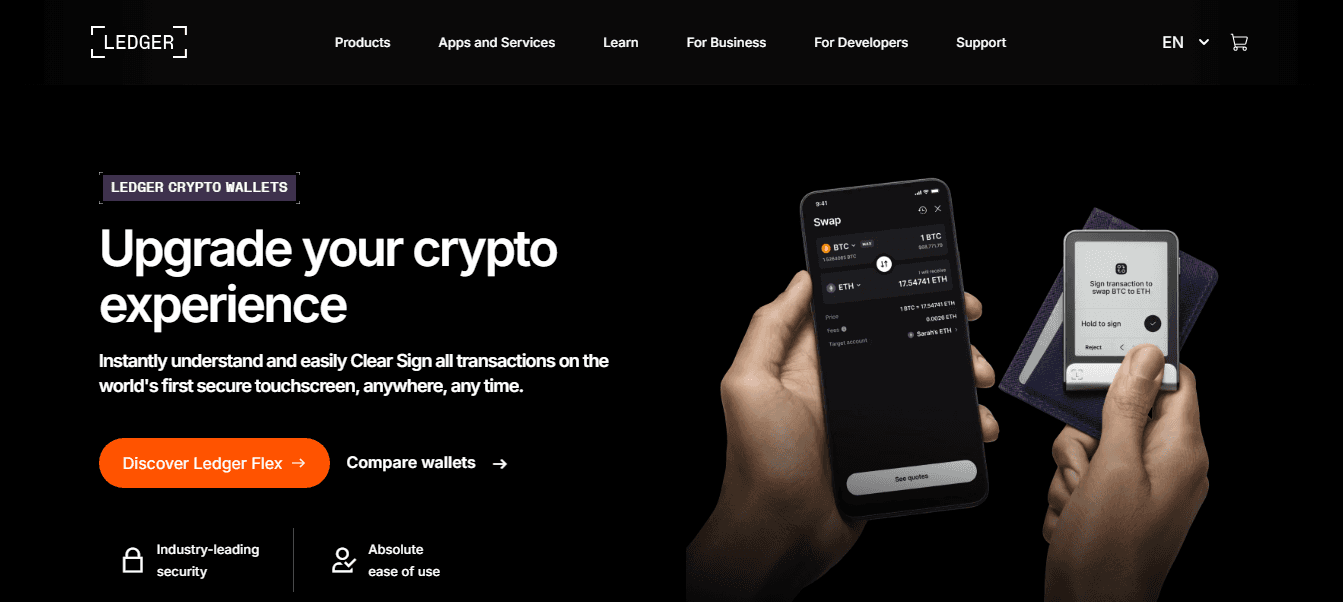
Ledger Login: The Complete Guide to Secure Cryptocurrency Access
Ledger Login is the gateway for users to access their Ledger hardware wallets and manage cryptocurrency securely. In the modern digital financial landscape, safety and convenience are paramount when handling digital assets. Ledger Login acts as the secure entry point to Ledger’s ecosystem, allowing users to manage accounts, check balances, send and receive funds, and maintain complete control over their private keys.
Whether you are a beginner entering the world of cryptocurrency or a seasoned investor managing multiple accounts, understanding Ledger Login, its features, and best practices is essential for safely navigating the cryptocurrency space.
What is Ledger Login?
Ledger Login is the authentication process that allows users to access their Ledger hardware wallet accounts through Ledger Live or compatible interfaces. It ensures that private keys remain safely stored offline on the hardware wallet, reducing exposure to online threats.
Ledger Login provides users with:
Secure access to cryptocurrency accounts
Authorization for sending and receiving funds
Centralized account and portfolio management
Protection of private keys through hardware wallet security
By combining simplicity with strong security measures, Ledger Login offers peace of mind while allowing efficient management of digital assets.
Why Ledger Login is Important
Ledger Login is more than a simple login—it is the first line of defense for your digital assets. Its importance can be seen in several key areas:
Security of Funds – Private keys remain offline and never leave the device, preventing unauthorized access.
Controlled Access – Only the wallet owner with the correct PIN and authentication can access accounts.
Transaction Safety – All transactions are verified on the hardware wallet, ensuring legitimacy.
Portfolio Monitoring – Users can securely view account balances, monitor performance, and manage multiple accounts.
Self-Custody – Ledger Login supports full ownership of funds without relying on third-party platforms.
These advantages make Ledger Login an essential tool for anyone serious about cryptocurrency management.
How Ledger Login Works
Ledger Login works hand-in-hand with a Ledger hardware wallet, which stores private keys securely offline. The process is designed to provide secure authentication and verification at every step.
Step 1: Connect the Ledger Device
Users begin by connecting their Ledger hardware wallet to a computer or mobile device via USB or Bluetooth, depending on the model. Ledger Live or compatible software will recognize the device automatically.
Step 2: Enter PIN
After connecting the device, users enter their PIN directly on the Ledger wallet. The PIN prevents unauthorized access and ensures only the wallet owner can initiate a login session.
Step 3: Open Ledger Live
Ledger Login requires opening Ledger Live, which serves as the management interface for accounts. Ledger Live communicates securely with the hardware wallet to retrieve portfolio and account information.
Step 4: Authenticate the Device
The login process involves verifying the connection between the hardware wallet and the software. Only a correctly authenticated device can provide access to accounts.
Step 5: Access Accounts and Transactions
Once authenticated, users can access their accounts, view balances, and manage transaction history. All outgoing transactions still require physical verification on the Ledger device to ensure they are authorized.
Key Features of Ledger Login
Ledger Login offers several features designed to ensure security, convenience, and full control over cryptocurrency assets:
Secure Access
Ledger Login ensures that account access is only possible with the correct PIN and authentication process. Private keys never leave the hardware wallet, keeping funds safe from online attacks.
Multi-Account Support
Users can log in and manage multiple accounts through a single Ledger device. Each account can be labeled, organized, and monitored individually, simplifying portfolio management.
Transaction Verification
All transactions initiated after login must be verified directly on the Ledger device. This ensures that funds cannot be transferred without explicit approval by the wallet owner.
Multi-Currency Management
Ledger Login allows access to multiple cryptocurrency accounts, including Bitcoin, Ethereum, Litecoin, and a variety of tokens. Users can manage diversified portfolios securely in one interface.
Recovery and Restoration
In case the device is lost or damaged, Ledger Login works with recovery phrases to restore accounts on a new hardware wallet. This ensures users can regain access to their funds while maintaining security.
Security Advantages of Ledger Login
Security is the core strength of Ledger Login, and it provides multiple layers of protection:
Offline Private Key Storage – Keys are kept offline, away from the internet, and safe from hacking attempts.
PIN Protection – Only users with the correct PIN can access the device.
Transaction Verification – Every transaction must be physically approved on the hardware wallet.
Recovery Phrase Security – Recovery phrases allow safe restoration of accounts on new devices.
Protection Against Malware – Ledger Login prevents malicious software from accessing private keys or sensitive account data.
Together, these measures make Ledger Login one of the most secure ways to access cryptocurrency accounts.
Common Mistakes to Avoid During Ledger Login
Even with strong security measures, users must avoid mistakes that could compromise their accounts:
Sharing PIN or Recovery Phrase – Anyone with this information can gain full control of the wallet.
Storing Recovery Phrase Digitally – Exposes the wallet to hacking, malware, and online threats.
Approving Transactions Without Verification – Always confirm transactions directly on the Ledger device.
Using Unofficial Software – Only trusted software, such as Ledger Live, should be used for account management.
By avoiding these mistakes, users can ensure long-term security and protect their cryptocurrency assets.
Who Should Use Ledger Login
Ledger Login is suitable for a broad range of cryptocurrency users:
Beginners – Offers clear guidance for safely accessing and managing a first wallet.
Experienced Investors – Supports multiple accounts, multiple currencies, and advanced security features.
Security-Conscious Individuals – Protects funds from phishing, malware, and unauthorized access.
Self-Custody Advocates – Provides full control over assets without relying on third-party services.
Proper setup and careful usage allow users of all experience levels to manage cryptocurrency efficiently and securely.
Best Practices for Ledger Login
To maximize security and convenience, users should follow best practices:
Store the Ledger Device Securely – Keep it safe when not in use.
Use a Strong PIN – Avoid simple, predictable PINs.
Backup Recovery Phrase Offline – Keep your recovery phrase in a safe, secure, offline location.
Verify All Transactions on the Device – Never approve transactions without checking them on the Ledger wallet.
Keep Software Updated – Ensure Ledger Live and device firmware are always up to date.
Following these practices helps protect your assets from theft or accidental loss.
Conclusion
Ledger Login is a critical component of the Ledger ecosystem, providing secure access to hardware wallet accounts and ensuring full control over digital assets. By requiring hardware wallet authentication, PIN verification, and transaction confirmation, Ledger Login protects funds from online threats while maintaining convenience for the user.
It enables access to multiple accounts, portfolio monitoring, and safe transaction management. Both beginners and experienced investors benefit from Ledger Login’s secure and user-friendly interface, making it an essential tool for anyone serious about cryptocurrency management.
By following best practices and using Ledger Login responsibly, users can confidently manage their cryptocurrency holdings while keeping their assets safe and secure.